

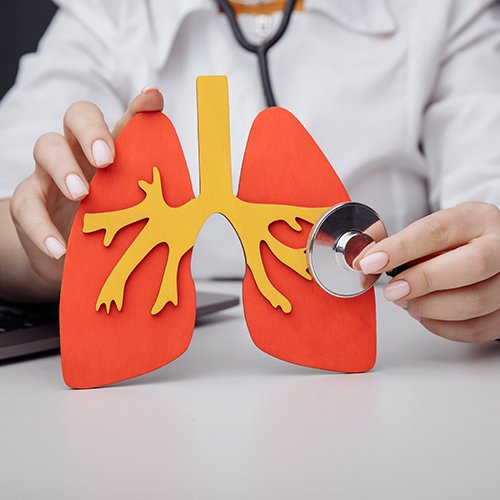
End-stage lung disease refers to a group of conditions that cause irreversible damage to the lungs, leading to a significant decline in lung function and a reduced quality of life. These conditions may include chronic obstructive pulmonary disease (COPD), idiopathic pulmonary fibrosis (IPF), pulmonary hypertension, and cystic fibrosis.
Individuals with end-stage lung disease often experience a range of symptoms, such as shortness of breath, chronic cough, fatigue, chest pain, and recurrent lung infections.
Treatment options for end-stage lung disease depend on the underlying condition and the severity of the lung damage. In some cases, oxygen therapy, bronchodilators, and other medications may be prescribed to manage symptoms and improve lung function. In more severe cases, surgical interventions such as lung transplantation may be necessary.
Quitting smoking, eating a healthy diet, staying physically active, and participating in pulmonary rehabilitation programs can all help to improve lung function, reduce symptoms, and increase overall well-being.
Living with end-stage lung disease can be challenging, both physically and emotionally. It’s essential to have a strong support system in place, including healthcare providers, family, and friends.